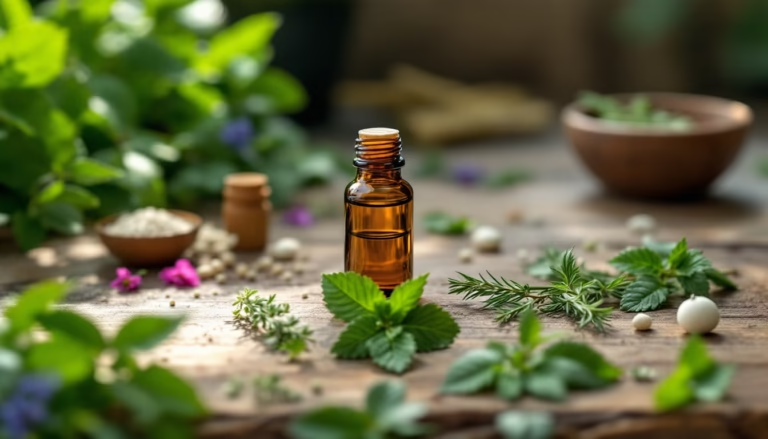
Balcony Tea Garden Ideas: Grow Your Own Anti-Inflammatory Teas
If your days are packed with screens, meetings, and shoulder tension you can’t quite stretch out, your body has a way of showing it. Puffy fingers, stiff joints, a stomach that feels “meh,” sleep that won’t click on when you need it. City life can be loud even when your apartment is quiet.
A balcony tea garden is a small, steady way to turn the volume down. You’re not “fixing” your life with plants, you’re building a calmer routine you can actually keep. Step outside, touch a leaf, smell something green, and make a warm cup from what you grew.
One gentle note: herbal teas can support wellness, but they’re not a cure. If you’re pregnant, nursing, on blood thinners, or managing chronic conditions, check with a clinician before using medicinal-strength herbs. The good news is you can start simple, and you can be sipping something fresh in a few weeks.
Start with the right setup, so your balcony tea garden stays easy (not another chore)

The secret to a balcony tea garden is not “more effort.” It’s fewer decisions. Set it up so caring for it feels like brushing your teeth, quick, automatic, and oddly soothing.
Key Takeaways
- Aim for 3 to 6 hours of sun for most tea herbs (more is a bonus).
- Choose 6 to 12-inch pots with drainage holes and saucers.
- Use a lightweight potting mix, not outdoor soil.
- Water only when the top inch feels dry.
- Start with 3 to 5 plants, then expand.
Table of Contents
Small-space layout that works in real life
- Group by sun needs: Put sun lovers together, keep shade-tolerant pots off to the side.
- Think “tall in back”: Rosemary or tulsi in the back, lower thyme or chamomile in front.
- One plant per pot for spreaders: Lemon balm likes to take over, give it its own home.
- Leave a tiny “tea spot”: One square foot for a stool or standing brew zone makes this feel like a ritual, not a chore.
If wrists or fingers get cranky, consider an ergonomic watering can (lighter, better grip) and a truly light potting mix. Your joints will notice.
Renter-friendly wins: rail planters, slim vertical shelves, and saucers to protect floors. If you’re collecting “balcony tea garden ideas,” start by choosing containers you can lift with one hand.
A quick daily care rhythm (2 minutes max)
Keep it almost silly-simple:
- Check the light (30 seconds): Is anything shaded by a new angle of sun?
- Finger-test the soil (30 seconds): If the top inch is dry, water slowly until it drains.
- Pinch-harvest one tip (30 seconds): A tiny harvest keeps herbs bushy.
- Add one self-care step (30 seconds): Drink a glass of water before coffee, or do a slow neck stretch while you water.
Picture This: Morning air, one tiny watering can, and a soft rustle of leaves as you pinch lemon balm. The city is still there, but you’re in your own pocket of quiet, practicing gardening for anxiety relief in a small balcony herb garden for beginners, part of a slow living balcony routine that actually fits your schedule. Your mug warms your hands like a reset button.

Pick anti-inflammatory tea herbs that thrive in pots and match your goals
“Anti-inflammatory” gets tossed around a lot, so here’s the grounded version: these herbs are commonly used to support the body’s natural balance. People reach for them when they want less “puffy and blah,” calmer digestion, or an easier wind-down after a long day. Think support, not promises.
Most of these grow well in containers, especially with vertical planters and compact pots, a trend that keeps getting more popular for small US balconies. For a broader overview of tea herbs that do well at home, the Almanac guide to growing a tea garden is a helpful reference.
| Plant | What it tastes like | What people use it for | Sun + water (short) | Harvest |
|---|---|---|---|---|
| Chamomile | Apple-like, floral | Calm, gentle digestion | Full sun, water when top inch is dry | Flowers |
| Lemon balm | Lemon-mint | Stress support, belly comfort | Part shade ok, even moisture | Leaves |
| Holy basil (tulsi) | Clove-like, warm | Stress support, steady energy feel | Sun to part shade, regular water | Leaves |
| Rosemary | Piney, bold | Soreness support, clear head feel | Full sun, let soil dry a bit | Leaves |
| Sage | Earthy, strong | Throat comfort, heavy-meal support | Full sun, lighter watering | Leaves |
| Thyme | Savory, clean | Seasonal support, soothing steam | Full sun, moderate water | Leaves |
| Calendula | Mild, slightly sweet | Skin-support tea tradition | Full sun, steady water | Petals |
| Basil | Sweet, peppery | Digestion support, soothing flavor | Full sun, frequent water | Leaves |
| Ginger | Warm, spicy | Cozy gut support, warming comfort | Bright shade ok, keep evenly moist | Rhizome |
A lifestyle-first note: pairing your garden routine with steady hydration and a simple evening wind-down does as much as the herbs. The plants are the cue that reminds you to slow down.
Choose your top 3 based on your balcony light
Full sun (6+ hours):
- Chamomile + thyme + basil
- Rosemary + calendula + basil
- Sage + thyme + chamomile
Mixed light (3 to 5 hours):
- Tulsi + basil + thyme
- Lemon balm + tulsi + calendula
- Chamomile + lemon balm + basil
Bright shade:
- Lemon balm + tulsi + ginger (container)
- Lemon balm + ginger + basil (if you get a little sun)
- Tulsi + lemon balm + calendula (calendula may bloom less)
Strong herbs like sage and rosemary can feel intense in large amounts, start with small servings and see how you feel.
Harvest, dry, and blend calming teas you will actually want to drink

Harvesting is where the “mindful garden” part kicks in. It’s slow, sensory, and oddly satisfying for something that takes 30 seconds.
- Harvest in the morning after dew dries, flavor is often strongest.
- Pinch above a node (where leaves meet the stem) to encourage new growth.
- Don’t take more than about one-third of the plant at once.
Drying is easy:
- Bundle stems with string, or lay leaves on a tray.
- Keep them out of direct sun with good airflow.
- Store fully dry herbs in labeled jars away from heat and light.
Supportive tool idea: a simple tea infuser makes daily brewing effortless. In winter watering weather, a thick barrier hand cream can protect skin from wind and faucet-cold water.
3 go-to anti-inflammatory tea blends for different moods
Calm After Screens
Ingredients: 1 tsp chamomile flowers + 1 tsp lemon balm
Steep: 7 to 10 minutes
When: After work, when your eyes and brain feel buzzy.
Clear and Cozy
Ingredients: 2 to 3 thin ginger slices + 1 tsp tulsi
Steep: 8 to 10 minutes
When: Chilly afternoons, or when your stomach feels off.
Herbal Reset
Ingredients: 1/2 tsp rosemary + 1 tsp thyme (optional: 1 tsp basil for softness)
Steep: 5 to 7 minutes
When: Midday, when you want something savory and grounding.
Flavor balancing tip: add basil for gentle sweetness, rosemary for bite, ginger for warmth.
Picture This: Golden light hits a drying rack while your kettle warms. You pour a cup, inhale the herbs, and feel your shoulders drop, a balcony tea garden for stress relief moment that makes DIY herbal tea blends feel simple, not fussy, straight from a container herb garden wellness setup.

Conclusion
Start small on purpose. Three pots are enough to change the tone of your day, because this isn’t about having a perfect garden. It’s about a softer nervous system, a slower routine, and a warm cup you grew yourself. Keep the care light, keep the harvesting gentle, and let the balcony be your daily exhale. This weekend, pick your top three herbs, set them in draining pots, and begin building your own tea ritual one pinch at a time.
FAQ
How fast do herbs grow in pots?
Many herbs give you light harvests in 3 to 6 weeks, especially basil, lemon balm, and thyme. Woody herbs like rosemary grow slower, but they’re steady once established. Regular pinching helps most plants fill out faster.
What if I only get a few hours of sun?
Go for mixed-light herbs like lemon balm and tulsi, and use rail planters or shelves to catch the brightest spots. Rotate pots weekly so each plant gets its turn in the best light. You can also add a small grow light indoors if your balcony is very shaded.
What’s the best way to store dried herbs for tea?
Make sure herbs are fully dry (they should crumble, not bend). Store them in sealed jars, away from heat and sunlight, and label the date. For best flavor, try to use them within 6 to 12 months.
Are chamomile, ginger, or tulsi safe with common medications or pregnancy?
These herbs are commonly used, but they can still interact with some medications and health conditions. If you’re pregnant, nursing, on blood thinners, or managing a chronic condition, check with a clinician before using them regularly. Start with small servings and pay attention to how you feel.